
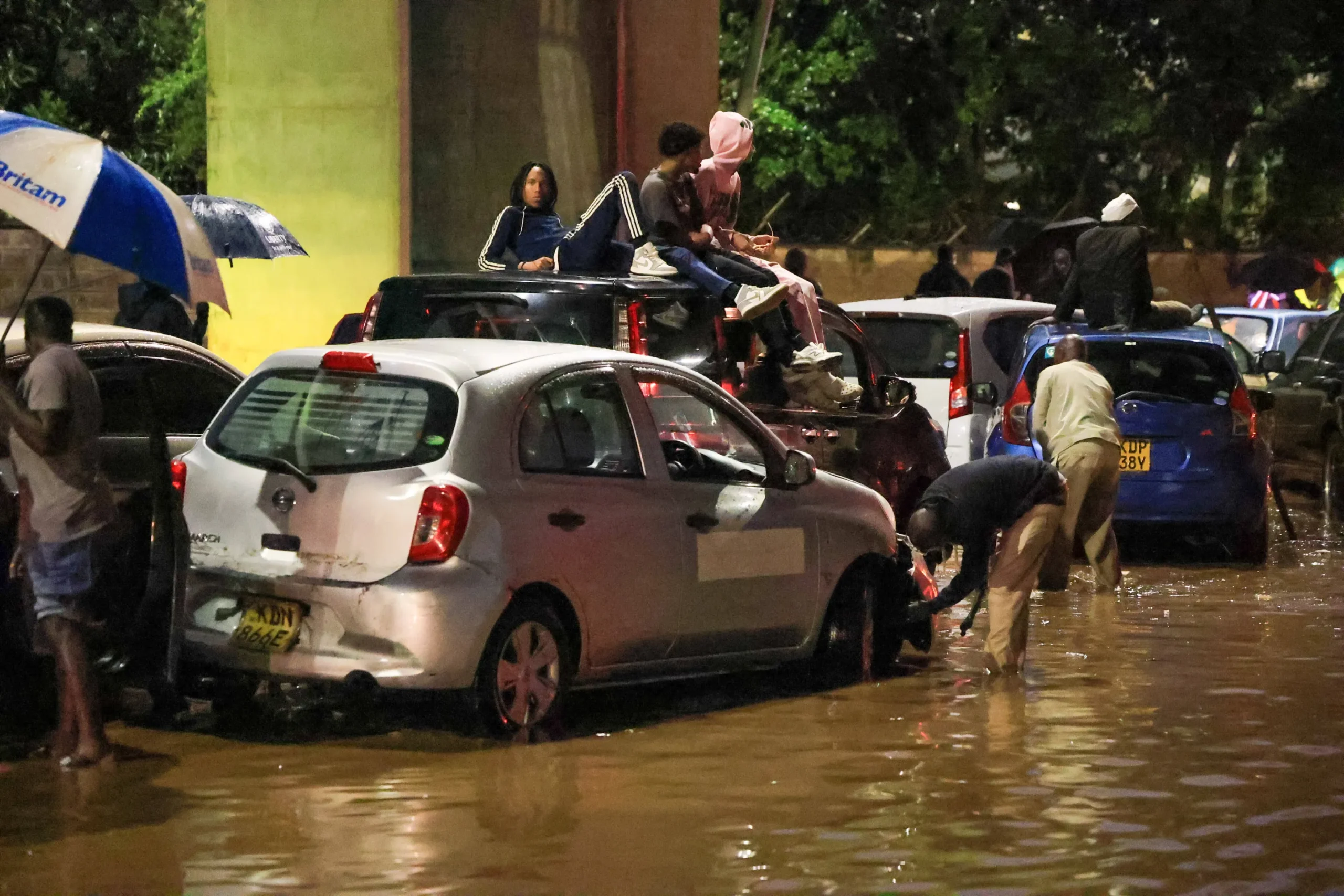
Kenya’s capital, Nairobi, has been plunged into tragedy after powerful flash floods swept across the city, leaving dozens dead and causing widespread destruction. The disaster followed intense overnight rainfall that quickly turned streets into rivers and trapped residents in homes, cars, and businesses.
Authorities confirmed that at least 23–25 people have died as a result of the floods, with many victims drowning in fast-moving water while others were reportedly electrocuted by damaged power lines. Rescue teams continue searching for missing people, and officials warn the death toll could still rise as recovery efforts continue.
The sudden flooding has shocked the nation and triggered urgent calls for improved drainage systems and better disaster preparedness in Kenya’s rapidly growing capital.
Streets Turn Into Rivers
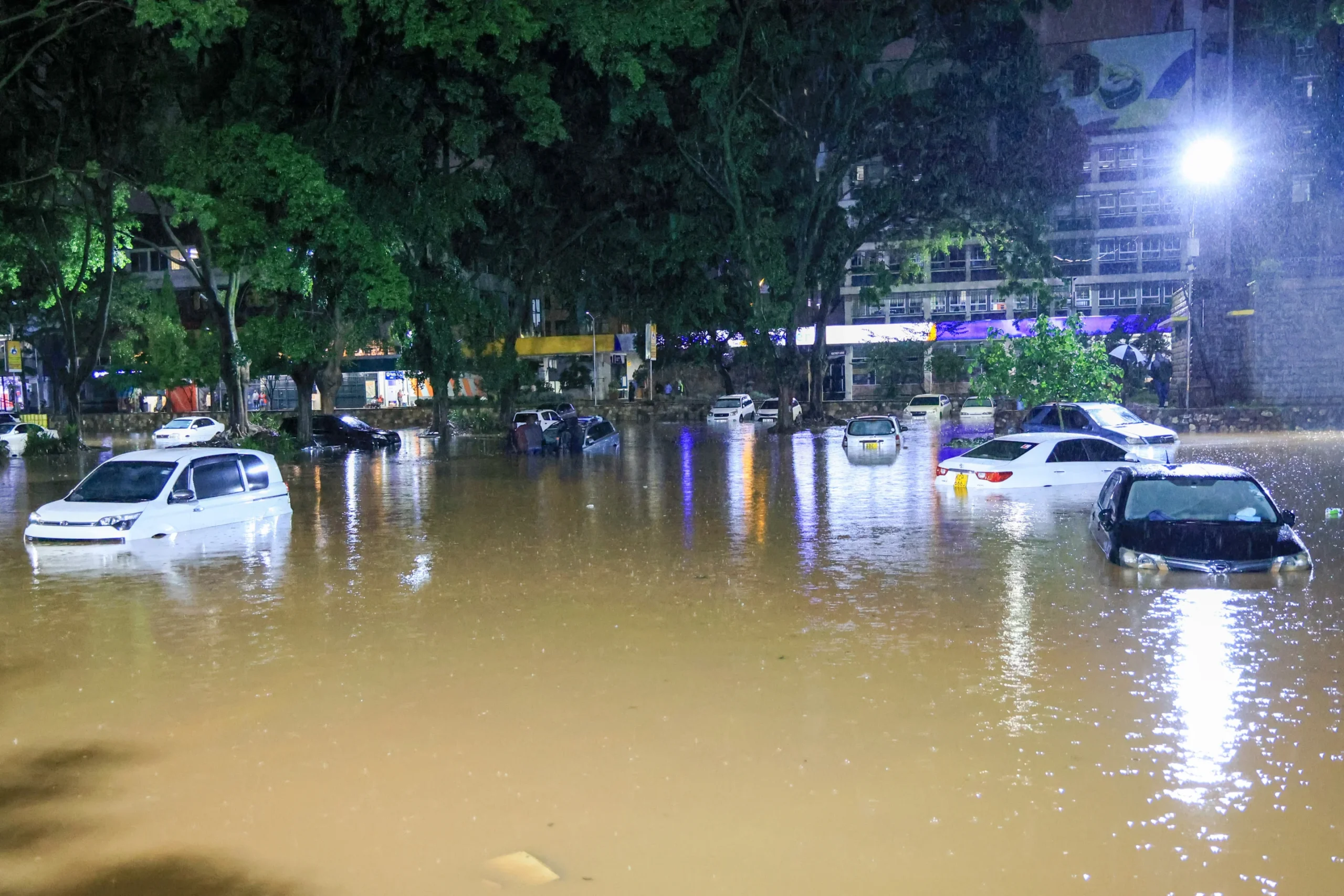
The heavy rains began late Friday and intensified overnight, causing rivers and drainage systems to overflow. Within hours, large parts of Nairobi were submerged, leaving motorists stranded and forcing residents to flee rising water levels.
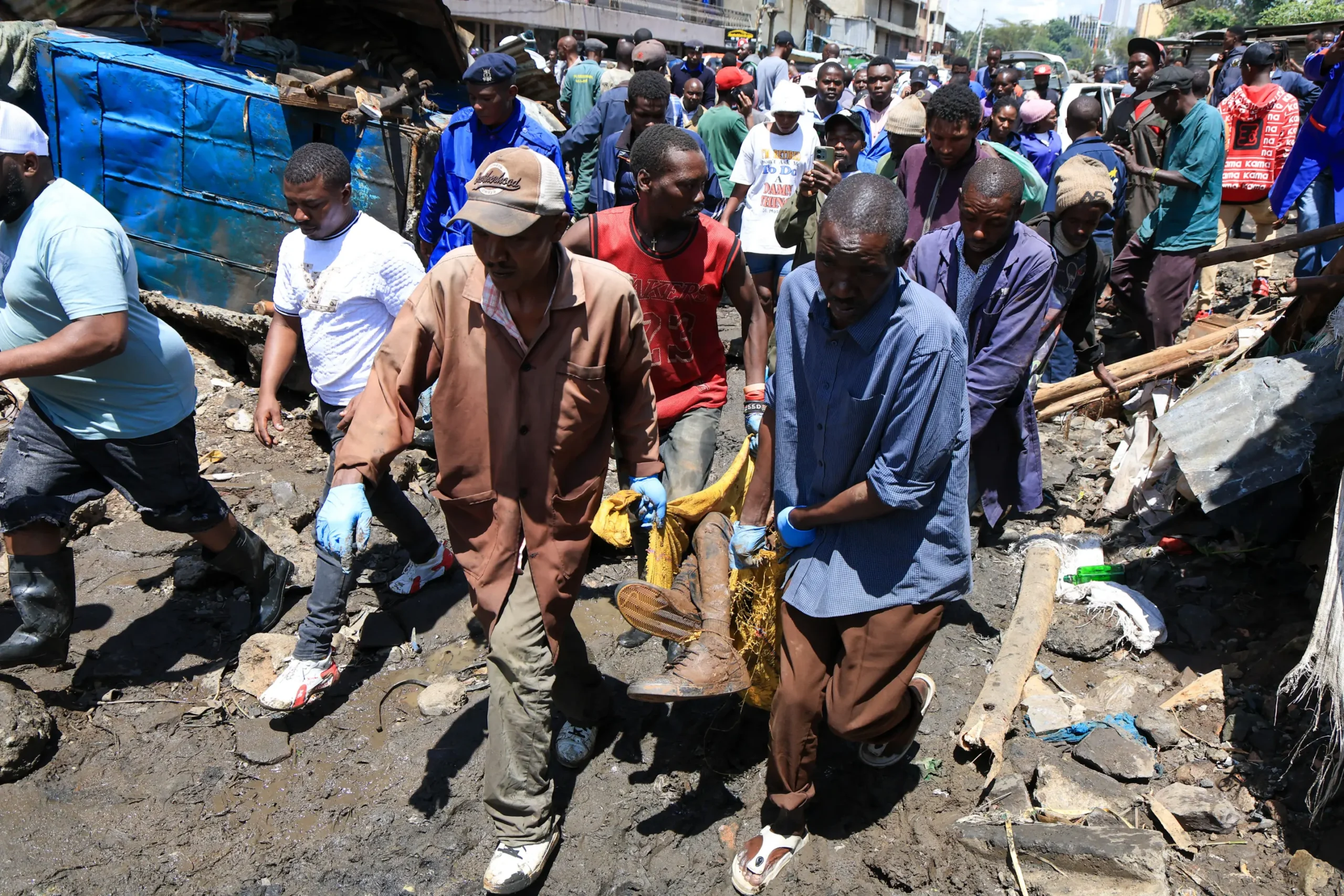
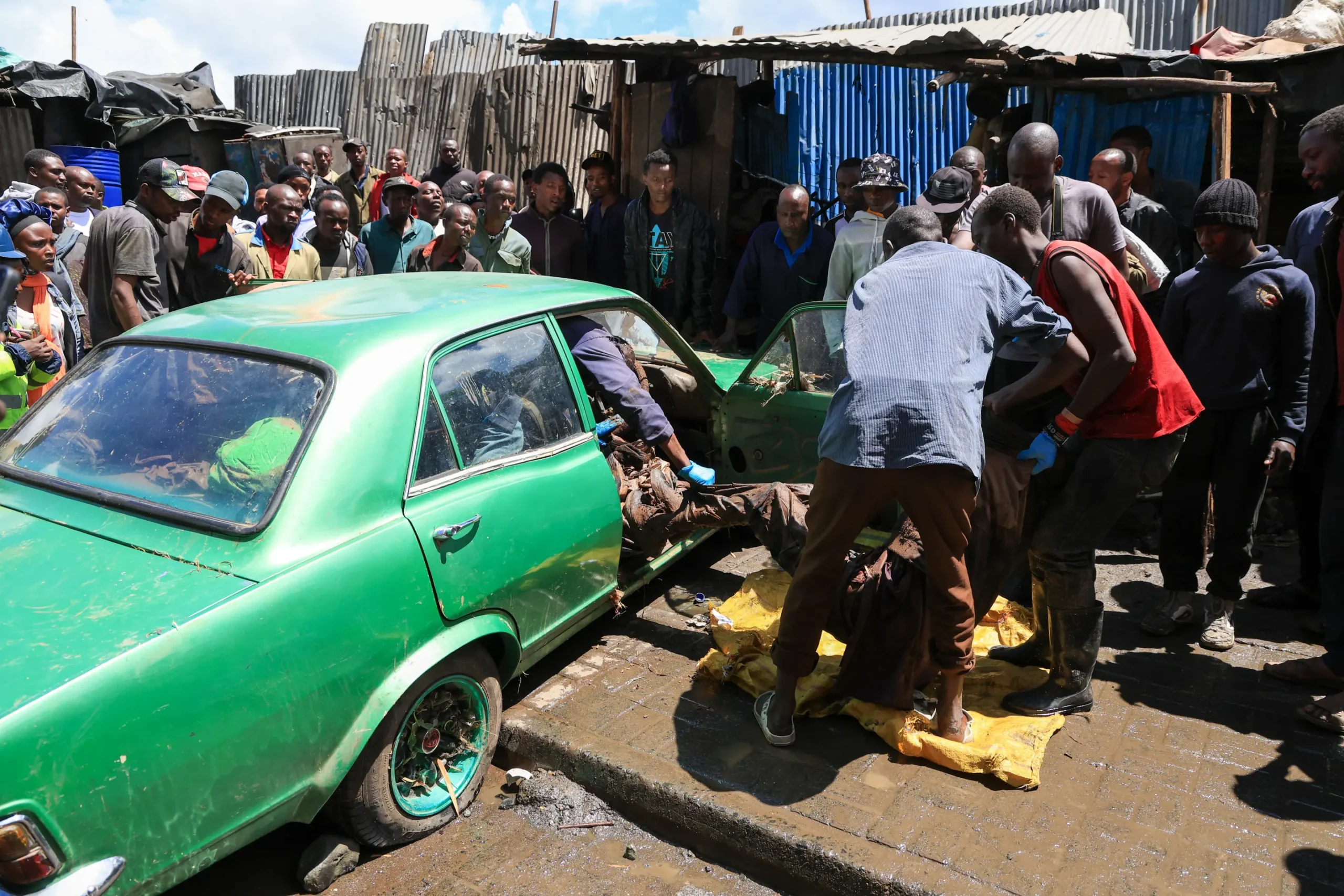
Eyewitnesses described terrifying scenes as dozens of vehicles were swept away or submerged, while people waded through hip-deep water to reach safer ground. Some bodies were recovered from vehicles that had been trapped or overturned by the floods.
In several neighbourhoods, businesses and homes were flooded, leaving families scrambling to save their belongings as the water surged through streets and buildings.
Local residents joined emergency workers in rescue efforts, pulling stranded motorists from flooded roads and helping neighbours escape the rising water.
Flights Disrupted at Nairobi’s Main Airport
The flooding also caused major disruption to air travel. Nairobi’s main airport, one of the busiest in East Africa, experienced significant flight interruptions as heavy rain and flooding affected operations.
Kenya Airways confirmed that several flights had to be diverted to the coastal city of Mombasa, while others were delayed as authorities assessed safety conditions.
The airport disruptions added to the chaos across the city, where traffic gridlock and flooded highways slowed emergency response efforts.
Rescue Operations Underway
Kenyan authorities quickly deployed emergency services and military personnel to assist with rescue operations. Soldiers and disaster response teams worked alongside volunteers and humanitarian organisations to evacuate stranded residents and recover victims from flooded areas.
The Kenya Red Cross and other emergency teams have been actively involved in rescue operations, providing medical assistance and helping displaced families find temporary shelter.
President William Ruto expressed condolences to families who lost loved ones and announced that the government would cover hospital expenses for those injured in the floods. Authorities also ordered the release of emergency food supplies from national reserves to support affected communities.
Infrastructure Damage and Power Outages
The floods have also caused widespread infrastructure damage across Nairobi.
Several roads have been destroyed or blocked by debris, while the electrical infrastructure was damaged in multiple areas. Kenya Power reported that flooding affected equipment at a substation, leading to power disruptions in at least 14 neighbourhoods.
In some parts of the city, shops and businesses were forced to close due to flooding, further impacting daily life and economic activity.
Officials say more than 100 vehicles were damaged or destroyed during the floods, highlighting the scale of destruction caused by the disaster.
Questions Over Nairobi’s Drainage System
The tragedy has sparked renewed debate about Nairobi’s infrastructure and urban planning.
Residents and experts have long warned that poor drainage systems, blocked waterways, and uncontrolled urban development make the city highly vulnerable to flooding. Critics argue that clogged drains and inadequate stormwater systems worsened the impact of the heavy rains.
Government officials have promised to clear blocked drainage channels and strengthen disaster preparedness measures to prevent similar tragedies in the future.
More Rain Could Be Coming
Meteorological authorities have warned that the heavy rains may continue in parts of Kenya, raising concerns about additional flooding in the coming days.
Kenya’s rainy season often brings severe weather, but scientists say climate change is increasing the frequency and intensity of extreme weather events across East Africa.
For many Nairobi residents, the floods are a painful reminder of how quickly disaster can strike—and how urgent it is to strengthen the city’s ability to withstand extreme weather.
As rescue teams continue searching through the floodwaters, the nation now mourns the lives lost and begins the difficult process of recovery.
Source: AP News